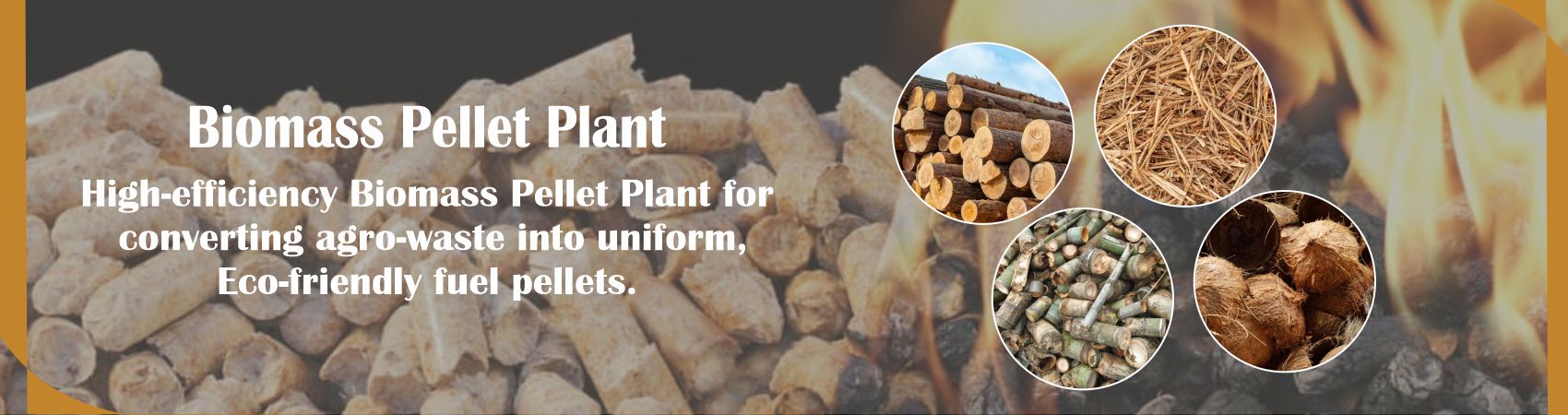
Biomass Pellet Plant
Technical Specification
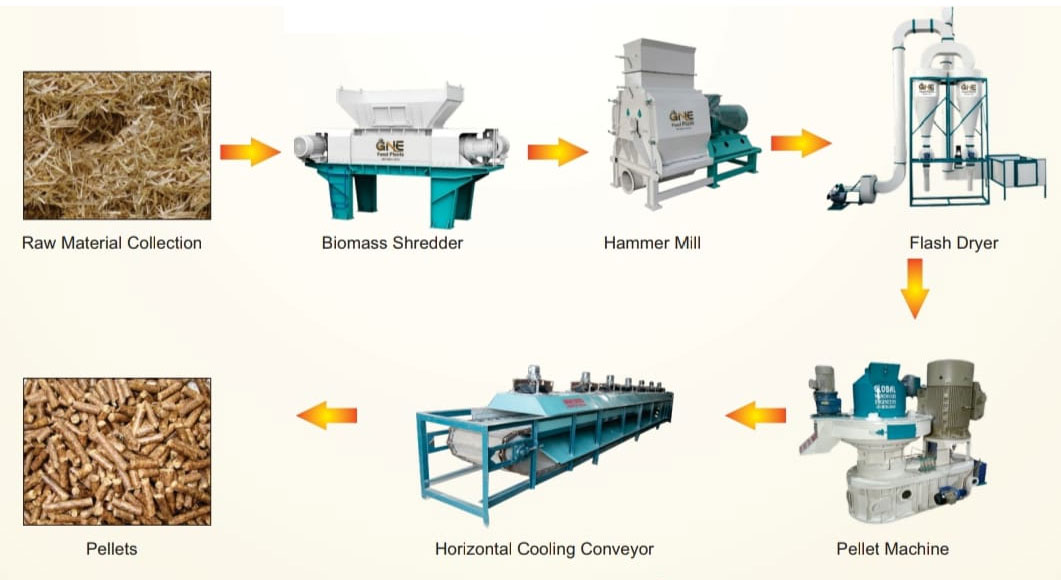
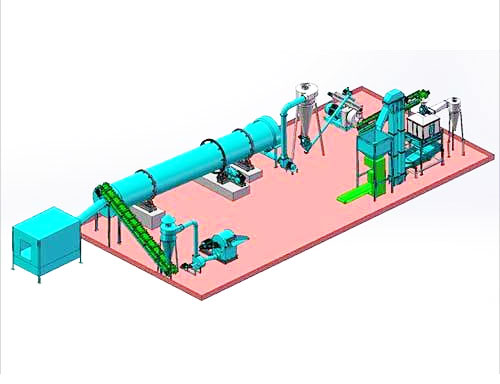
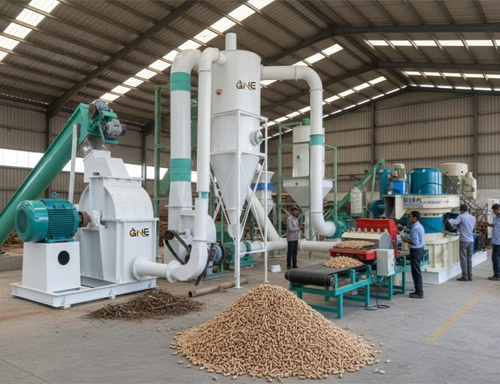
A biomass pellet plant is a production facility that processes raw biomass like wood chips, rice straw, sawdust, or crop
residues into compact fuel pellets. It includes shredding, drying, grinding, pelletizing, cooling, and packaging systems.
Biomass pellets are eco-friendly, used for burning in boilers, stoves, and power plants, easy to transport, and widely used
for renewable energy generation.
Biomass pelleting turns organic waste into dense fuel through crushing, drying, mixing, and compressing, using materials like wood waste, crop residues (straw, husks), and agricultural byproducts (bagasse, shells), creating a uniform, energy-dense fuel for heating and power, reducing waste, and offering a renewable energy source.
Common Raw Materials
- Forestry Residues: Sawdust, wood chips, bark, leaves, twigs.
- Agricultural Residues: Corn stalks, wheat straw, rice husks, sugarcane bagasse, groundnut shells, corn cobs.
- Energy Crops: Napier grass, alfalfa.
- Organic Waste: Animal manure (chicken, cow) for fertilizer pellets.
The Pellet Production Process
1. Collection & Preparation: Gather raw biomass, remove contaminants, and transport to the plant.
2. Size Reduction (Chipping/Grinding): Bulky materials are chipped or ground into smaller, uniform particles (e.g., 1-3mm) using chippers or hammer mills.
3. Drying: Moisture content is reduced to below 15% (ideally 10-12%) using dryers (rotary, flash) for better pellet quality and durability.
4. Mixing & Conditioning: Materials are blended, sometimes with binders, and conditioned with steam for better flow and compression.
5. Pelletizing (Pressing): Material is fed into a pellet mill (ring die type), where intense pressure forces it through die holes, forming dense cylindrical pellets.
6. Cooling: Hot pellets are cooled to solidify their structure and prevent crumbling.
7. Sizing & Packaging: Pellets are screened to remove fines (dust) and packed into bags or bulk for storage and transport.
Key Factors for Quality
Moisture: Crucial for successful compression.
Particle Size: Affects density and pellet quality.
Lignin Content: Natural binder in biomass that helps pellets form.
Ash Content: High ash can indicate lower quality and potential issues in stoves.